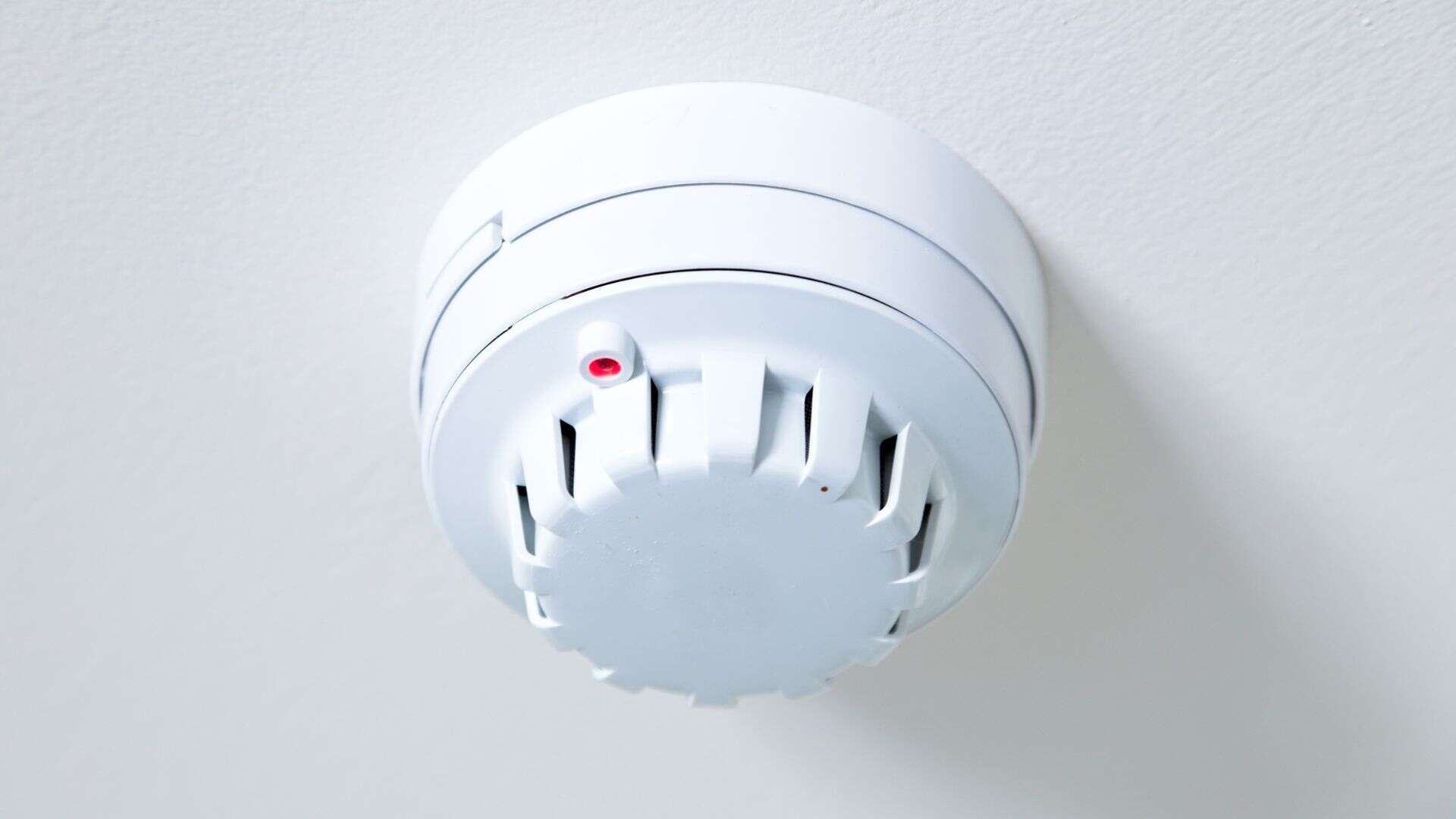
Heat detectors are one of the most important devices in fire safety. While smoke detectors are often the first devices that come to mind, heat detectors are essential in specific environments.
They are used in the places where smoke alarms are not effective. If you install a smoke detector in those areas, you may often get a false fire alarm.
If you are familiar with the heat detector, don’t worry, after reading this article, you will be expert in finding the perfect fire alarm by yourself.
That’s because, here in this article, we are going to cover heat detector from basic to advance level.
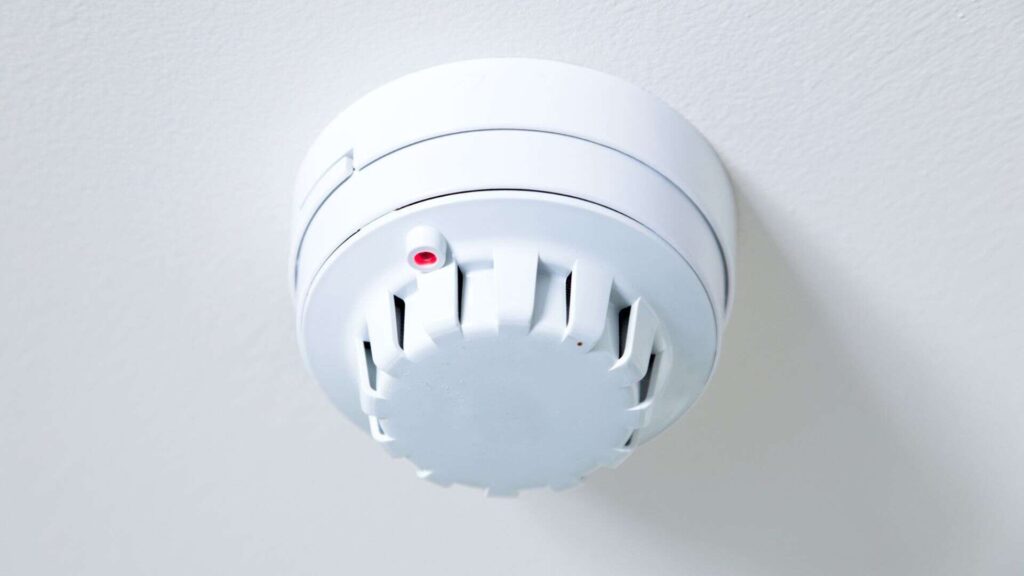
Let’s start with a very basic question. What is heat detector?
A heat detector is a fire detection device. it is designed to respond when the ambient temperature exceeds a preset threshold or rises abnormally fast.
Unlike smoke detectors that detect particles, heat detectors respond to temperature changes caused by fire.
These detectors are mostly being used in the areas where smoke detectors don’t work efficiently.
Getting confused?
Don’t worry, here are some examples, that will help you in understanding the areas better. For example – garages, kitchens, warehouses, or industrial environments. These are some areas, where dust and steam levels are always hight.
So, if you install smoke detectors in these areas, they will keep giving you false alarm.
According to the National Fire Protection Association (NFPA), heat detectors are recommended in areas with high ceilings or places prone to false smoke alarms.
If we talk about the types of heat detectors, generally, they come in two types.
ROR Heat detectors are perfect choice for those areas, where sudden temperature changes are a strong indication of fire.
For example- In a storage room with paper products, a sudden rise in temperature may indicate a fire outbreak.
A heat detector contains a sensor that measures the actual temperature. Also, it measures the rate at which the temperature increases.
Depending on its design, it uses thermocouples, thermistors, or bimetallic strips to identify changes.
Some models use electronic sensors for precise detection, making them suitable for commercial or industrial fire alarm systems.
Although, Heat detectors are ideal for both commercial and residential safety. However, they are little costlier than normal smoke detector. Hence it is not a wise decision to use it everywhere.
You may use them in the following areas like:
In these places, the heat detector serves as a reliable and low-maintenance fire detection solution.
Here are some key advantages of using heat detectors.
Despite of its advantages, a heat sensor also has some disadvantages. Heat detectors have slower response time comparing to smoke detectors. It will only send an alarm when temperature reaches to certain level.
Due to which, in areas requiring fast evacuation (like hospitals or schools), smoke detectors are preferred.
They can’t detect fires based solely on smoke, which is often the first indicator of fire.
Therefore, heat detectors are best used in combination with other fire detection systems. Also, you can use multi-sensor Detector for better results.
When it comes in choosing the right fire detector for your business. You should keep the following things in your mind.
A heat detector is an essential component of any robust fire safety system, especially in environments where smoke detectors fall short. Whether it’s an industrial setup, a commercial kitchen, or a dusty warehouse these detectors offer reliable fire detection with fewer false alarms.